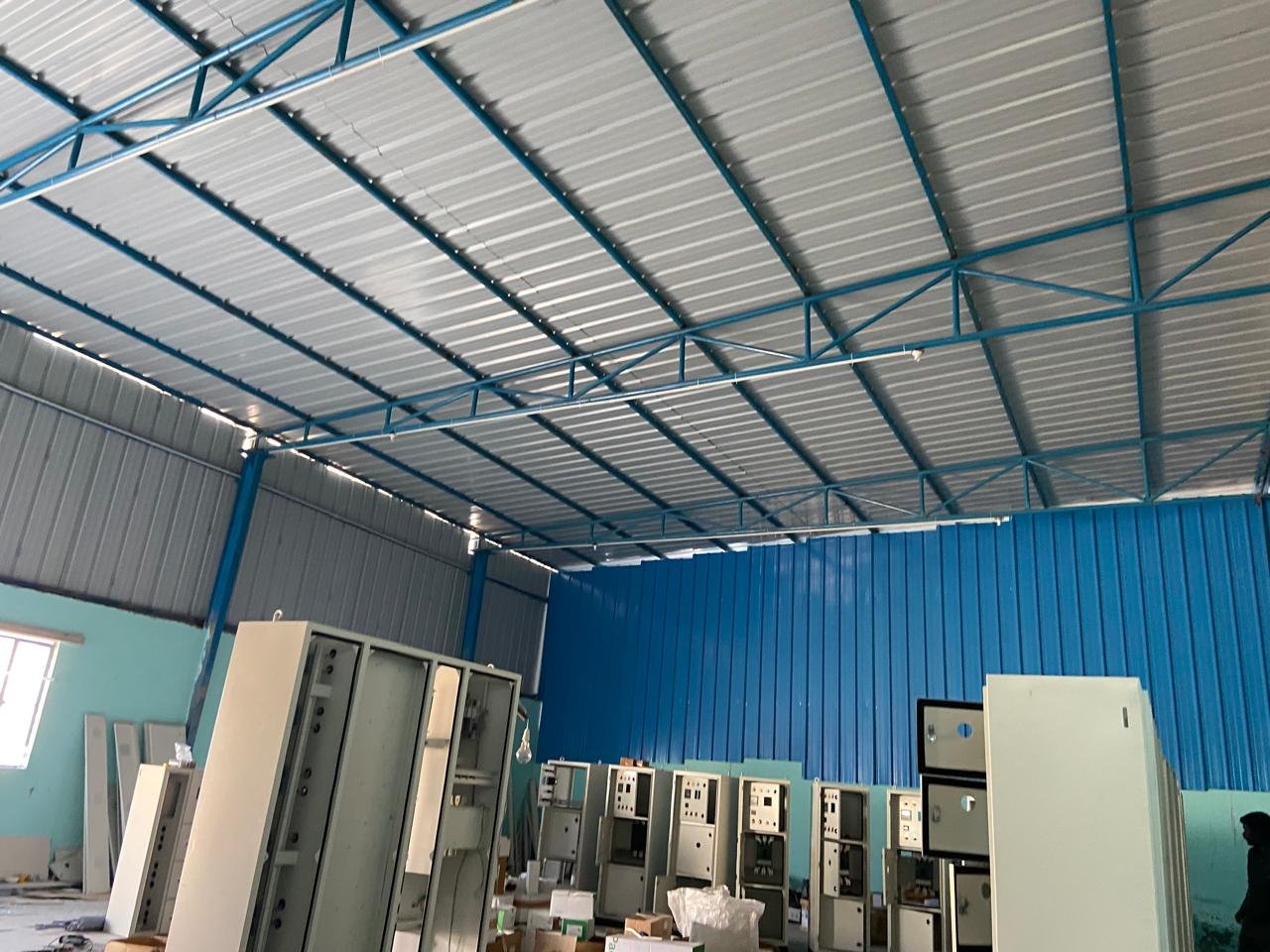
Bus Duct Manufacturers in Hyderabad
Bus duct systems carry large blocks of power between transformers, switchgear and distribution panels with lower losses and a far smaller footprint than parallel cable runs. Industrial Engineering designs, fabricates and installs bus duct built around your load schedule, route and site conditions.
Request Quote ›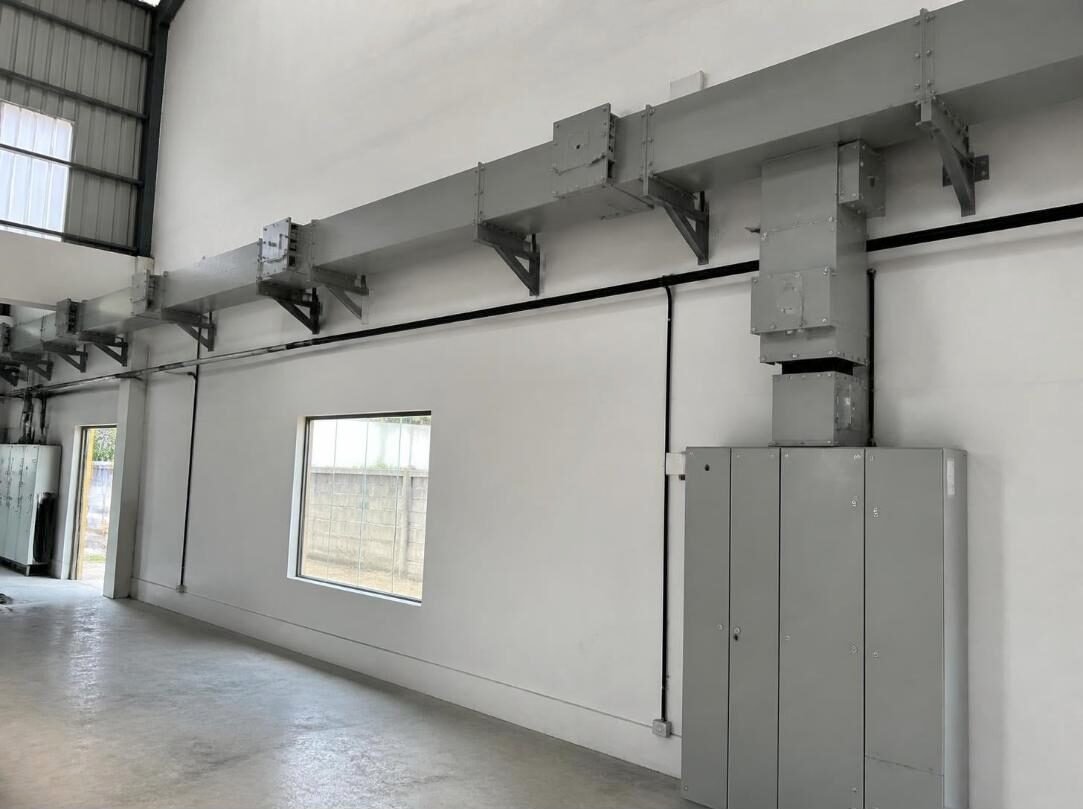
High-Performance Bus Duct Systems
- Built in accordance with applicable IS and IEC standards
- Continuous current ratings to suit high-capacity feeders
- Aluminium or tinned electrolytic copper conductors
- High short-circuit withstand rating for fault conditions
- IP protection classes for indoor and outdoor routing
- Sandwich and air-insulated construction options
- Compact profile that frees up shaft and cable tray space
Role of Bus Duct in Electrical Infrastructure
Bus duct is the link that moves bulk power through a building or plant. It connects transformers to main panels, generators to changeover switchgear and main boards to floor-level distribution, holding a fixed, protected route where a bundle of parallel cables would otherwise be needed.
Each run is engineered around the continuous current it has to carry, the fault energy it must survive and the thermal behaviour of the enclosure. Conductor cross-section, joint design, insulation class and support spacing are all sized together so the system stays stable under sustained full load.
Attention to joint torque, expansion allowance, phase transposition and ingress protection is what keeps a run dependable for decades. Done well, it cuts voltage drop, reduces heat build-up in shafts and makes future extension a matter of adding a section rather than pulling new cable.
Applications of Bus Duct in Various Industries
Bus duct is the preferred choice wherever large amounts of power have to travel a fixed route safely and efficiently.
- Large manufacturing and process plants
- Commercial high-rise buildings
- Data centres and IT parks
- Power generation and substation projects
- Hospitals, malls and mixed-use developments
- Infrastructure and utility installations
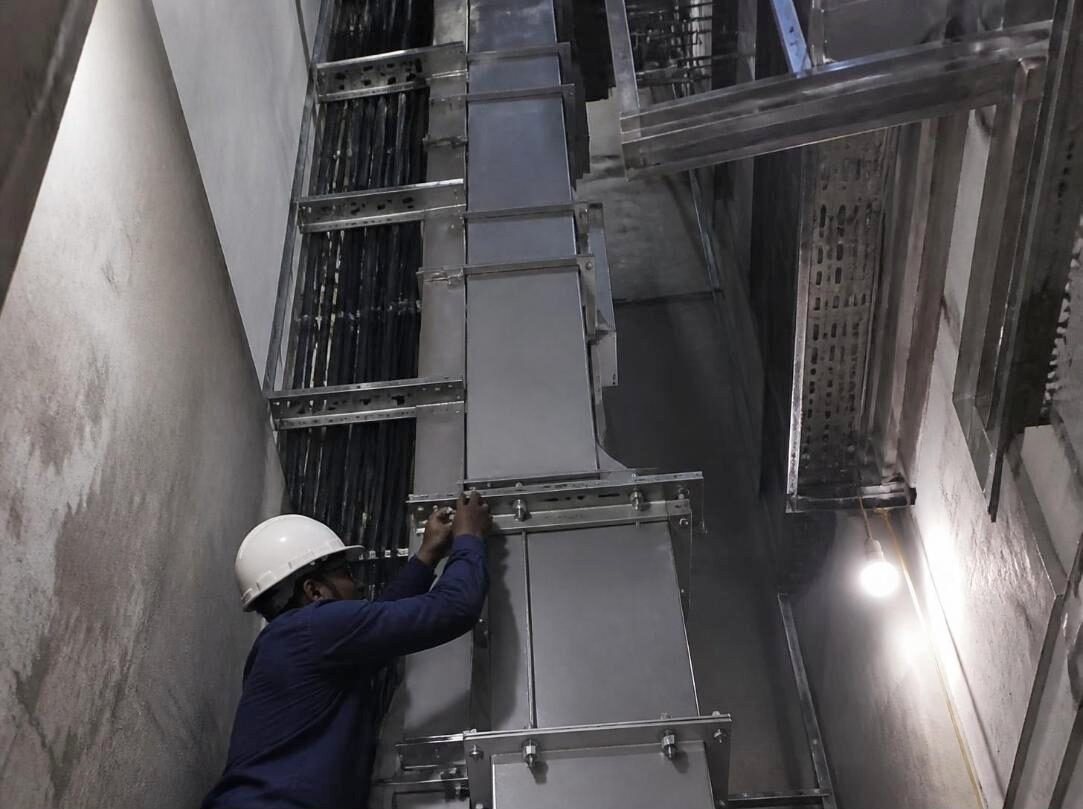
A solid conductor cross-section carries heavy load over long runs with far less voltage drop than an equivalent bundle of cables, keeping supply steady at the far end.
One enclosed run replaces multiple parallel cables, freeing up riser shafts and cable trays and keeping electrical rooms uncluttered.
Prefabricated straight lengths, elbows and tap-off boxes bolt together on site, and new loads can be added by inserting a section instead of pulling fresh cable.
Braced conductors, rated supports and tested joints hold their position under fault current, protecting the run and the equipment connected to it.
Fewer joints and a defined route mean less to inspect, and any hot spot or fault can be traced to a specific section rather than a cable bundle.
Live parts stay inside an earthed metal enclosure with the required IP rating, reducing exposure risk and keeping dust and moisture out.
Reliable. Custom. Power-Ready.
We do not just build panels, we build trust. With a focus on quality craftsmanship, timely delivery and customer-first service, we are the preferred partner for businesses seeking dependable electrical solutions.